How reading rewires the human brain
Summary and headline written by AI from the source article. How we work
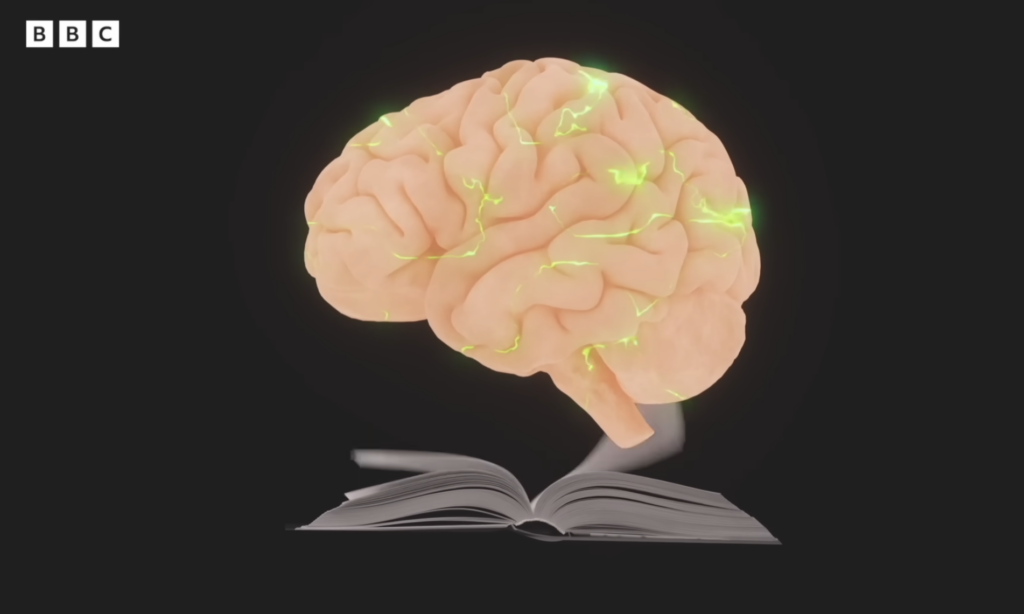
UCLA neuroscientist Rebecca Gotlieb explains that humans did not evolve to read, so the brain adapts existing systems for vision, speech, and language to process text.
This adaptation occurs regardless of the writing system, from ancient Sumerian cuneiform to modern alphabets. While ancient literacy rates hovered around one percent, today approximately 88 percent of people globally can read. However, the way people read is changing.
Maryanne Wolf, author of Come Home: The Reading Brain in a Digital World, argues that reading on electronic screens encourages skimming. This skimming can lead to a decline in critical analysis and empathy, making individuals more vulnerable to misinformation and reinforcing existing biases. Studies suggest that early exposure to digital reading experiences negatively impacts later academic performance in children. Researchers found that constant digital stimulation may hinder a child’s ability to focus and process information effectively.
Experts suggest that adults can best support children’s cognitive development by modeling consistent and engaged reading habits.