Archaeologists unearth a 2,800-Year-Old bone flute in ancient Troy
Headline and summary by local AI
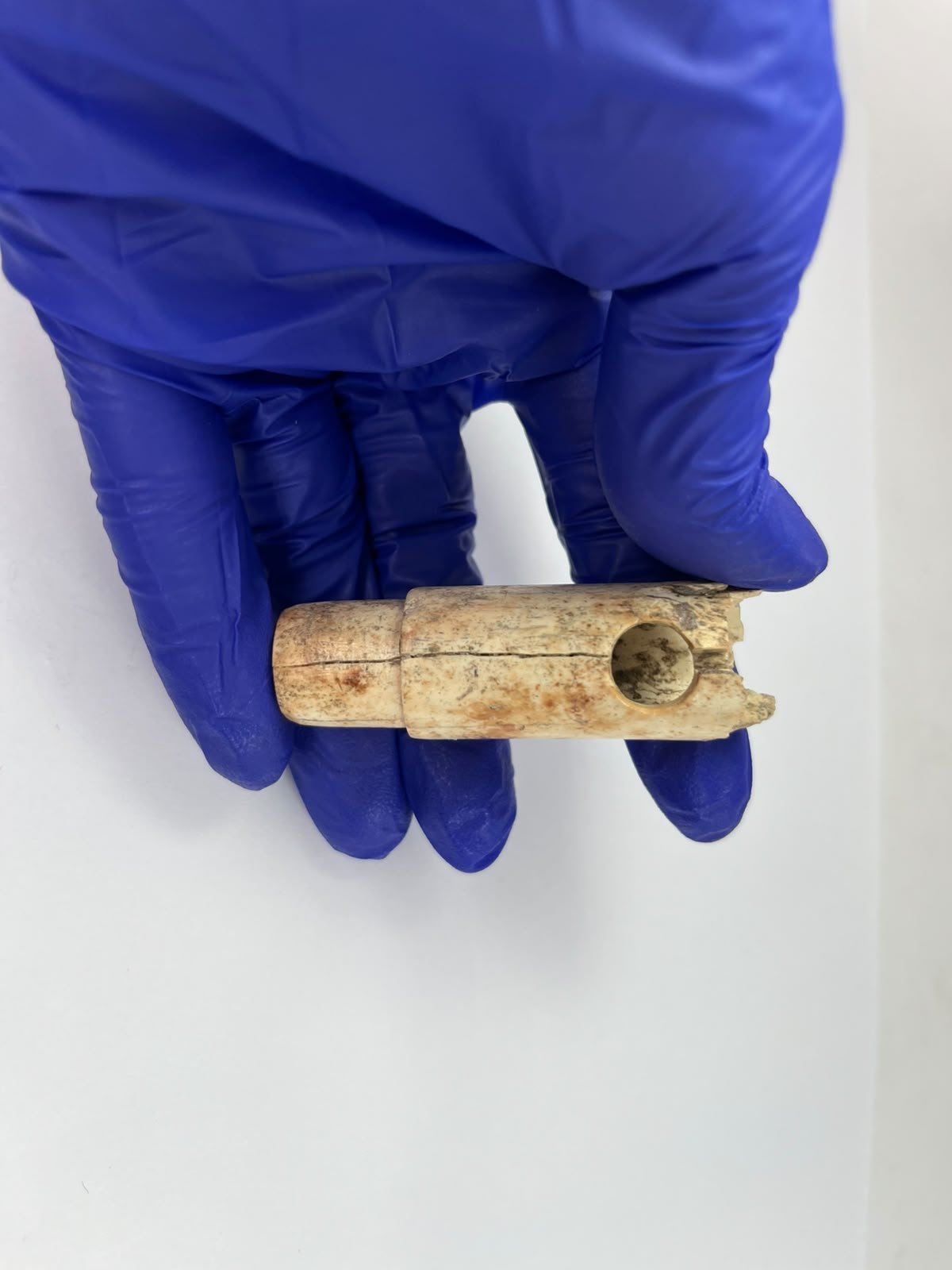
Archaeologists discovered a 2,800-year-old bone flute at the archaeological site of ancient Troy in northwestern Turkey.
This discovery marks the first time a musical instrument has been found at the location. The artifact dates back to the Late Bronze Age, the same period in which the poet Homer wrote The Odyssey. Researchers believe the find provides evidence that Troy was not a ghost town during the eighth century BC.
The flute joins a long list of items found during 160 years of excavation at the site, which includes gold diadems, weapons, and over 100 wine goblets. Experts at Ancient Origins note that while the excavators labeled the object a flute, the specific type of instrument remains open. Because the artifact is not in a whole state and lacks a published drawing or hole count, researchers cannot yet confirm if it is a Greek aulos, a double-reeded wind instrument.
The find offers a new perspective on the cultural life of the city. While other similar instruments have been found in different regions and time periods, this is the first such discovery in a city with such deep legendary associations.
Selected and summarized by local AI How we work