Scientists study microbes on Rembrandt's Night Watch painting
Headline and summary by local AI
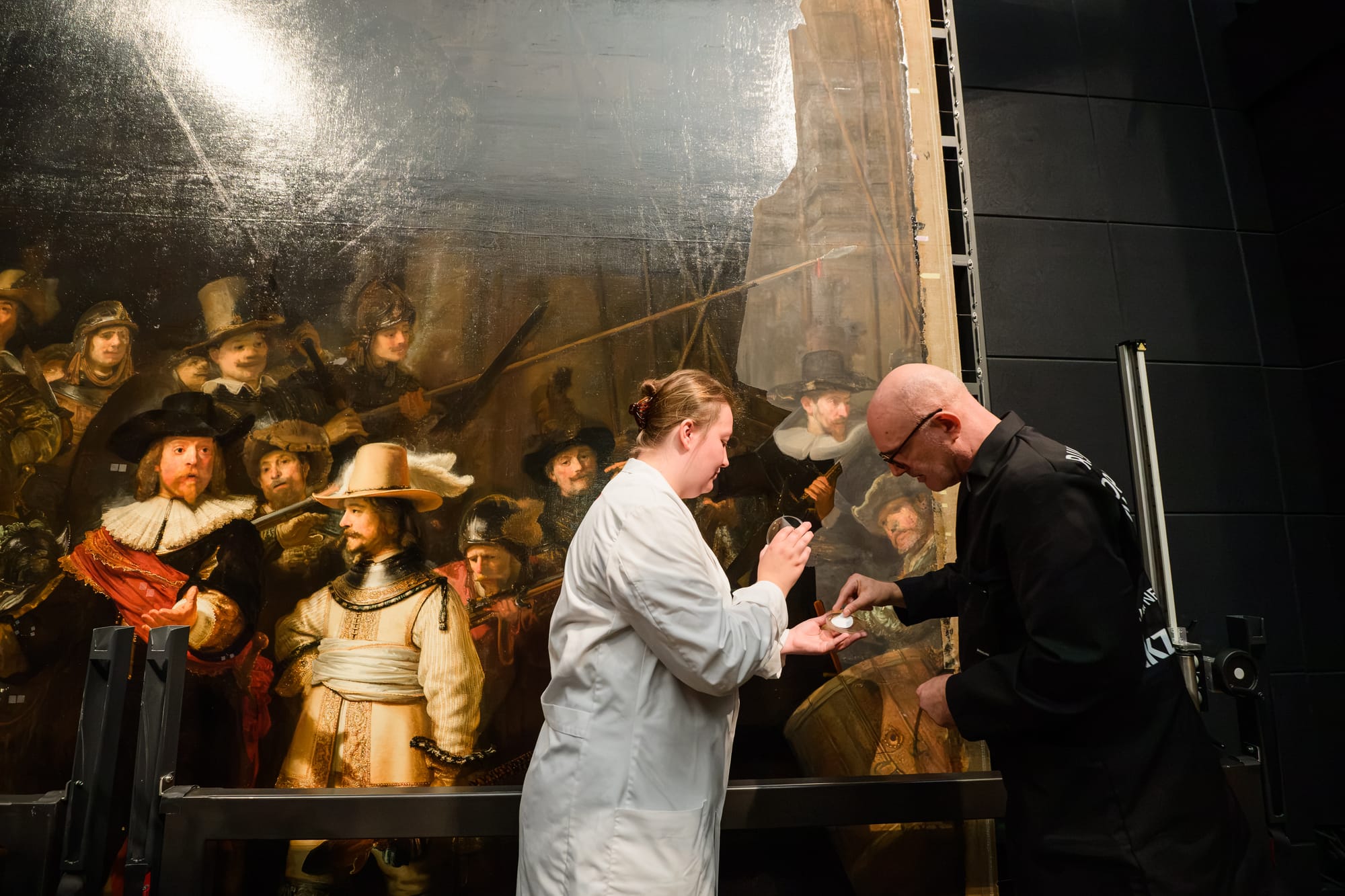
Microbiologists from ARTIS-Micropia, a science museum in Amsterdam, are studying the microorganisms living on Rembrandt's 1642 masterpiece, The Night Watch.
The research team took samples from the canvas and placed them in Petri dishes to identify the invisible life forms on the artwork. This project marks the first time researchers have conducted this specific type of microbial study on a piece of art.
The team discovered various types of bacteria, including species typically found in soil and plant roots, as well as skin bacteria that protect humans from pathogens. One specific finding stood out as Microbacterium saccharophilum, a species first identified in a Japanese sugar refinery. Scientists are currently investigating how this specific microorganism arrived on the Dutch painting. The findings are part of an exhibition called The Night Watch Lives at ARTIS-Micropia.
The project aligns with Operation Night Watch, a large restoration initiative launched in 2019. While the microbial study explores the life on the surface, other researchers in the restoration project discovered a lead compound in the painting's primer layer in 2023, which they believe Rembrandt used to protect the canvas from mold and moisture. The museum plans to complete the full collection of findings by February.
The current exhibition displays 20 bacterial findings, with more samples currently in incubators awaiting identification. The final display will eventually feature 60 different microbial findings from across the entire painting.
Selected and summarized by local AI How we work