Art historian Wanda Corn traces the cultural evolution of American Gothic
Headline and summary by local AI
Art historian Wanda Corn documented how Grant Wood's 1930 painting, American Gothic, transformed from a regionalist work into a global cultural icon. Her new book, published by Princeton University Press, explores the discrepancy between the artist's original intentions and the public's enduring perception of the image.
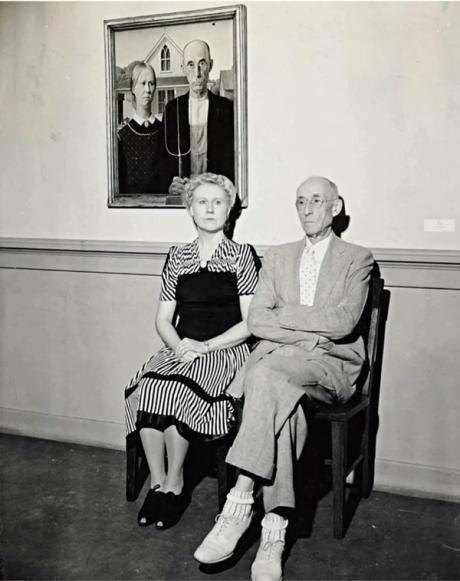
Corn explains that Wood chose his subjects carefully: his 30-year-old sister, Nan Wood Graham, and his 62-year-old dentist, Byron McKeeby.
While the public widely interprets the pair as a married couple, Wood intended the figures to represent a father and his aging daughter. Corn notes that this misunderstanding persisted even among those close to the artist until Nan Wood Graham personally corrected the misconception. The painting faced harsh criticism and professional neglect for decades.
Corn notes that early art historical texts ignored Wood's work, and a 1983 exhibition she curated at the Whitney Museum of American Art received brutal reviews from critics who dismissed the work as provincial propaganda. Despite this, the image eventually permeated high and low culture, appearing in contemporary art and political memes. Corn also examines the modern reassessment of Wood's life, including his sexuality and personal struggles.
She argues for a balanced view of the artist, who is now viewed as a more complex and tragic figure than he was previously understood to be. The book also tracks how digital technology and social media have turned the painting into a resource that anyone can use to comment on everyday and political events.
Selected and summarized by local AI How we work