Jordan farmers and officials protect ancient Roman olive trees in Karak
Headline and summary by local AI
The Karak Agriculture Directorate and the Ministry of Agriculture in Jordan are working to preserve ancient Roman olive trees across the Karak governorate.
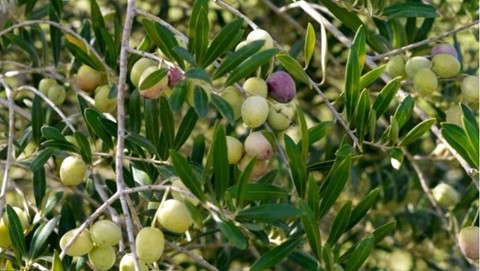
These trees, some estimated to be thousands of years old, serve as a historical and agricultural heritage. The trees are known for producing high-quality oil and fruit that can tolerate drought and harsh weather better than modern varieties. Farmers and government officials are implementing a rejuvenation program to keep the aging trees productive.
This process involves gradual pruning of dead branches over several years, removing dense inner growth to allow air and light to reach the center, and applying protective pastes and copper oxide to prevent fungus and insects. Workers also use water-harvesting techniques, such as building basins and furrows around trunks, and apply organic fertilizers to help the trees absorb nutrients.
The Karak Agriculture Directorate is mapping the locations of thousands of these trees to document their ages and prevent illegal trade or uprooting. They also provide training to farmers on technical conservation skills. Meanwhile, the Karak Culture Directorate organizes visits for youth groups to learn about the trees and the farming experiences of local residents. These efforts aim to protect the trees from fire, disease, and soil erosion caused by heavy rains.
Selected and summarized by local AI How we work
Belonging: Community bonds, rootedness, and living cultural practices and heritage.