Qatar Symposium Calls for National Knowledge Councils
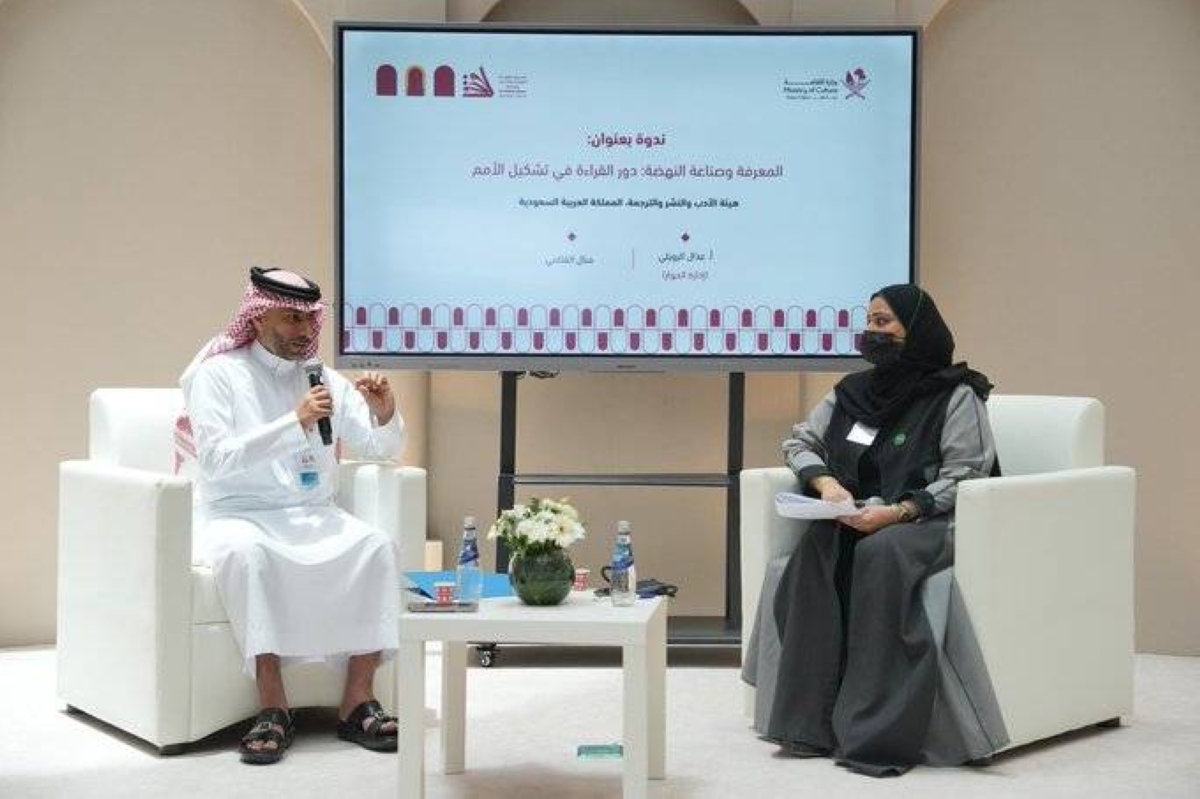
Why this is here: The panel noted that current AI models rely on past data and reflect the biases of their developers, potentially leaving Arabic content vulnerable to the dominance of Western sources.
At the 35th Doha International Book Fair in Qatar, speakers advocated for national councils to monitor knowledge flows. Maryam Yassin Al Hammadi, a Qatari writer, stressed the need for societal awareness regarding rapid technological changes and algorithms. She proposed high-level commissions with experts in media, culture, AI, and national security to proactively address knowledge gaps.
The symposium addressed shifts in the global economy and how algorithms now treat people as commodities. Participants warned that algorithms, while not deceptive, make choices that can be dangerous due to inherent biases in their training data—particularly for Arabic content. Al Hammadi suggested creating a large digital memory of Arab and Islamic culture to support local AI development.
Dr. Manal Al Qathami, a Saudi academic, emphasized reading as essential for building individuals and resisting misinformation.
She cautioned against the rise of superficial knowledge from short-form content, which weakens critical thinking and cultural identity. Further work is needed to cultivate critical thinking skills and ensure diverse representation in AI training data.
Surfaced by the Discovery lens — one of the vital signs ovr.news reads.
How we evaluated this
AI summary
read the original for the full story — Read on gulf-times.com . How we work →