Sheikh Mohammed bin Rashid explores history of Emirati cordage
Summary and headline written by AI from the source article. How we work
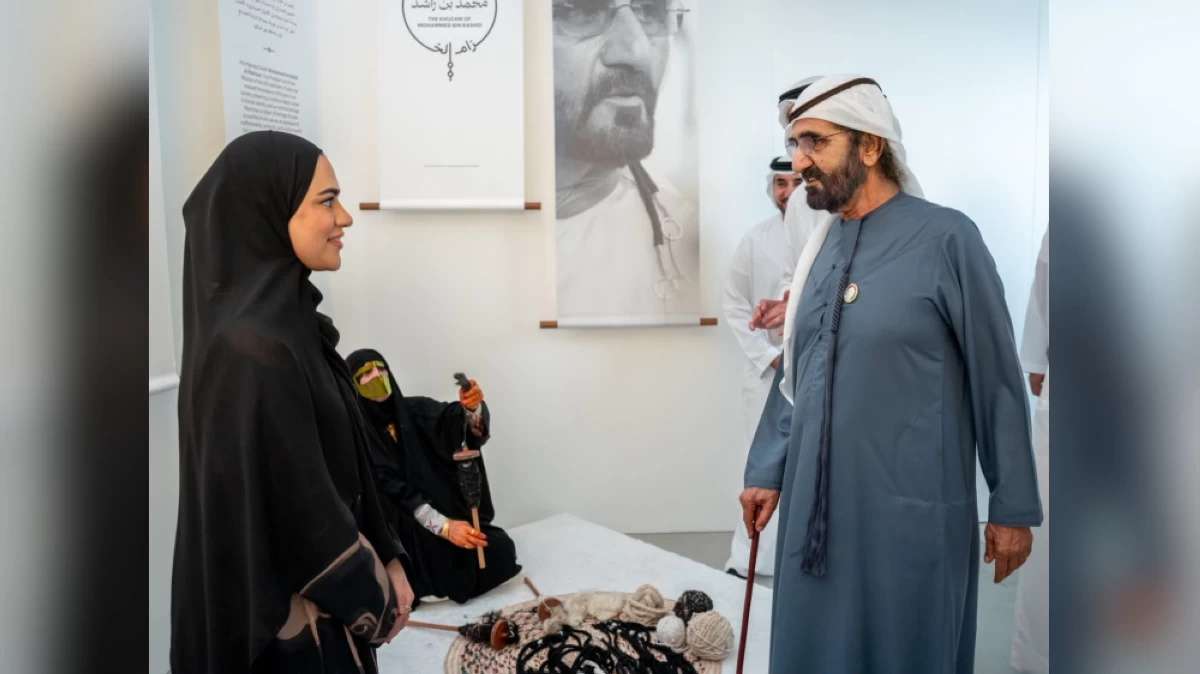
Sheikh Mohammed bin Rashid Al Maktoum, the ruler of Dubai, reviewed a research project documenting the history of Al Khuzam, a type of cordage traditionally used by people in the United Arab Emirates.
The project traced Al Khuzam’s development from a tool for camel steering and desert travel to a symbol of Emirati culture and identity. Researchers examined its practical uses, the craftsmanship involved in its creation, and its appearance in Emirati poetry and collective memory.
A team of researchers, artisans, and designers, overseen by The Development Office, contributed to the project, connecting historical study with ongoing craft traditions. They explored how contemporary Emirati entrepreneurs and designers are reintroducing Al Khuzam through new products, increasing its visibility internationally. The project identified three phases in Al Khuzam’s history, functional, social, and symbolic, and documented the skills needed to make it, from collecting wool to braiding and adding decorative elements.
Sheikh Hamdan bin Mohammed bin Rashid Al Maktoum and Sheikh Ahmed bin Mohammed bin Rashid Al Maktoum also attended the presentation of the project’s findings. The research team created modern designs inspired by Al Khuzam’s forms and details, aiming to integrate the tradition into contemporary life and support local businesses. The project intends to preserve knowledge of Al Khuzam, ensure its crafting skills continue, and empower Emirati artisans to innovate while honoring their heritage.