Saudi poet proposes Arabic form for haiku
Summary and headline written by AI from the source article. How we work
In Saudi Arabia, poet and scholar Haider Abdullah proposes a new form for haiku poetry, drawing connections between Arabic verse and the Japanese tradition.
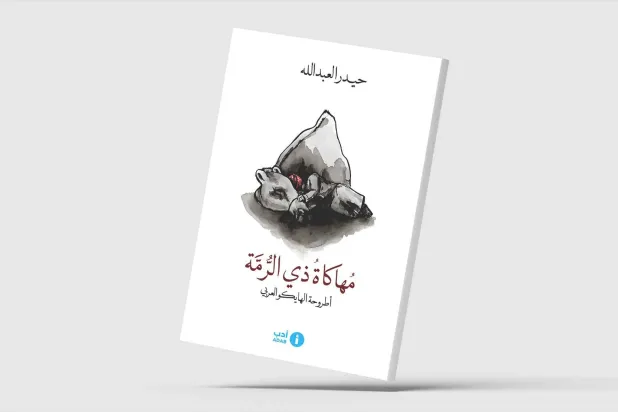
His book, “Mihakat Dhi al-Rumma: Atruhat al-Haiku al-Arabi” (Imitating Dhi al-Rumma: A Thesis on Arabic Haiku), aims to adapt the haiku to Arabic aesthetics and philosophical traditions.
Abdullah builds bridges between Arabic poetry and its Japanese counterpart, as well as between Islamic Sufism and Zen Buddhism, believing that haiku can be successfully “domesticated” within an Arabic context. The author emphasizes the importance of prosody, successfully integrating the rhythmic patterns of Japanese haiku into the established meters of Arabic poetry. This approach, he argues, provides Arabic haiku poets, or “hukata”, with a formal framework allowing them to focus on content rather than structure.
The book also includes a final chapter dedicated to astronomy, constellations, and the seasons, providing a rich natural lexicon for potential poets. However, the author finds it easier to align with the book’s theoretical aspects than its practical application. While the form can be borrowed, he believes the underlying vision is harder to transplant, as the essence of poetry stems from purpose, something not easily imported.
He explores the differences between Islamic Sufism and Zen, noting that while both traditions involve spiritual practices, their ultimate goals diverge, one seeking a transcendent creator, the other embracing a natural dissolution devoid of deity, and this shapes their respective poetic styles. Ultimately, Abdullah’s work suggests that the core of poetic expression lies in the human experience itself, and any form should emerge from that source.