Cal Poly Defends CBRS Spectrum Access
Why this is here: Cal Poly’s research pier, previously cut off from reliable connectivity, now supports real-time monitoring of marine ecosystems thanks to the CBRS network.
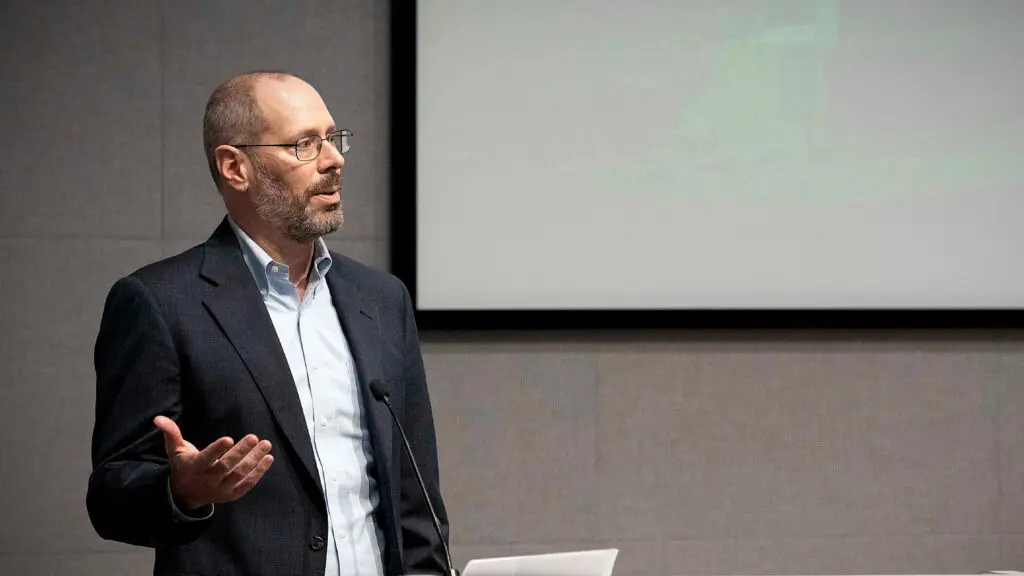
Christopher Lupo of California Polytechnic State University in California argues that changes to the CBRS spectrum framework could hinder university research. Cal Poly uses CBRS to power a private LTE network supporting its marine research pier and a digital transformation hub. Traditional wireless networks proved insufficient for the specialized needs of research requiring secure video and low-latency data.
The CBRS band enables reliable connectivity for intensive research and hands-on learning for students preparing for careers in telecommunications. Lupo contends proposed changes—like increased power levels—would disrupt the current balance of shared spectrum use. Analysis suggests these changes would decrease reliability for existing users across the band.
Beyond universities, CBRS supports applications in agriculture, schools, and public safety, with limited alternatives available for many. Maintaining the current CBRS framework remains vital for continued innovation and workforce development.
Surfaced by the Solutions lens — one of the vital signs ovr.news reads.
How we evaluated this
AI summary
read the original for the full story — Read on rcrwireless.com . How we work →